Glarus: Start & End Point
Climb past the emerald Klöntalersee over Pragelpass, tackle the remote gravel of Chinzig Chulm and conquer the legendary Klausenpass before descending back home.
One of my favorites gravel routes, but not an easy one
First things first: Only the final section over the Chinzig Chulm (Kinzigpass) is true gravel. For the rest of the route, road alternatives are frequently available if you want to save time. Including breaks, this loop takes a full day, so a shortcut might come in handy. I also highly recommend bringing your own supplies and not relying solely on restaurants along the way. At the top of the Pragelpass, you’ll encounter a proper gravel sector, which can easily be bypassed via the main pass road, which is absolutely stunning anyway. Finally, the bike path from Linthal back to Glarus isn’t entirely paved, but despite the mixed surfaces, it is still the route I highly recommend.
Total climbing: 3706 m
Total time: 09:21:24
Start at Glarus Station
Download GPX
The first climb starts right out of the gate. Expect a solid hour on tarmac with 620 meters of elevation. Since this is a gravel loop, proper gearing will definitely come in handy here. The climb mirrors a steep alpine pass, featuring some seriously crisp ramps, but it’s nothing a strong rider can’t handle.
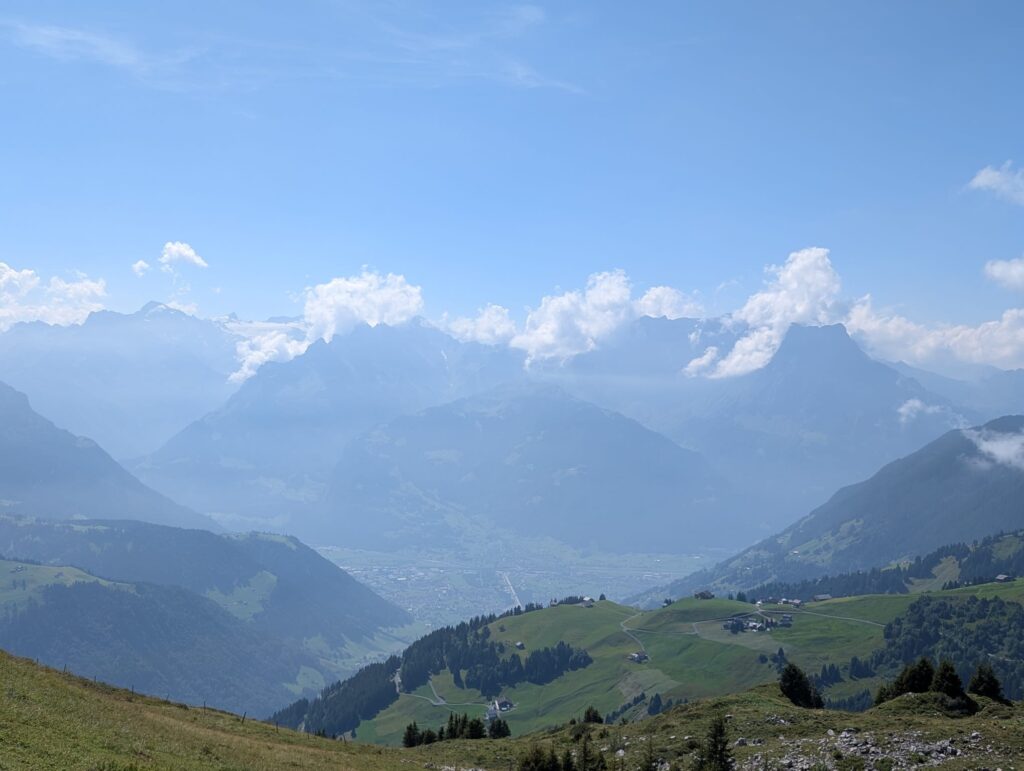
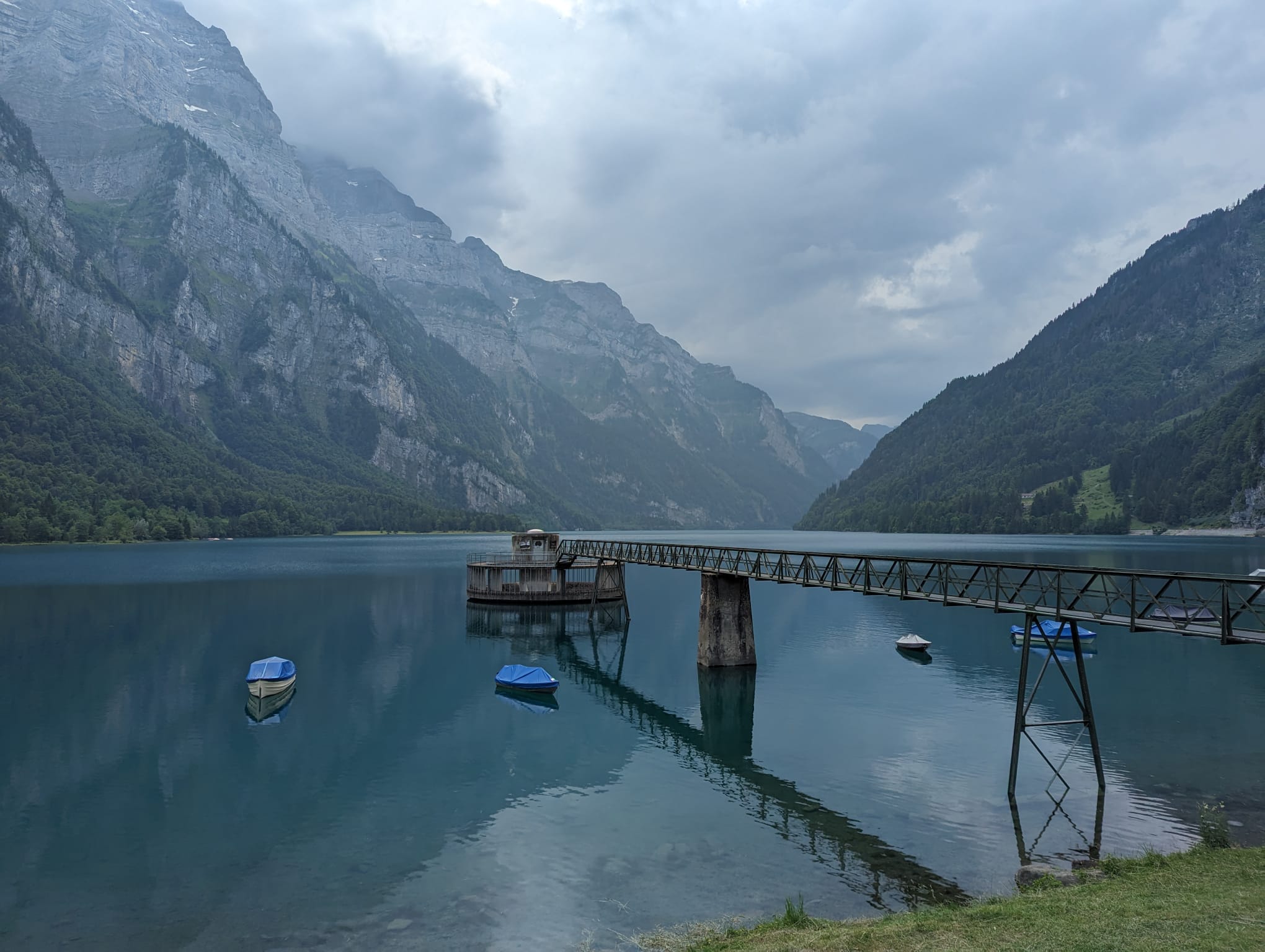
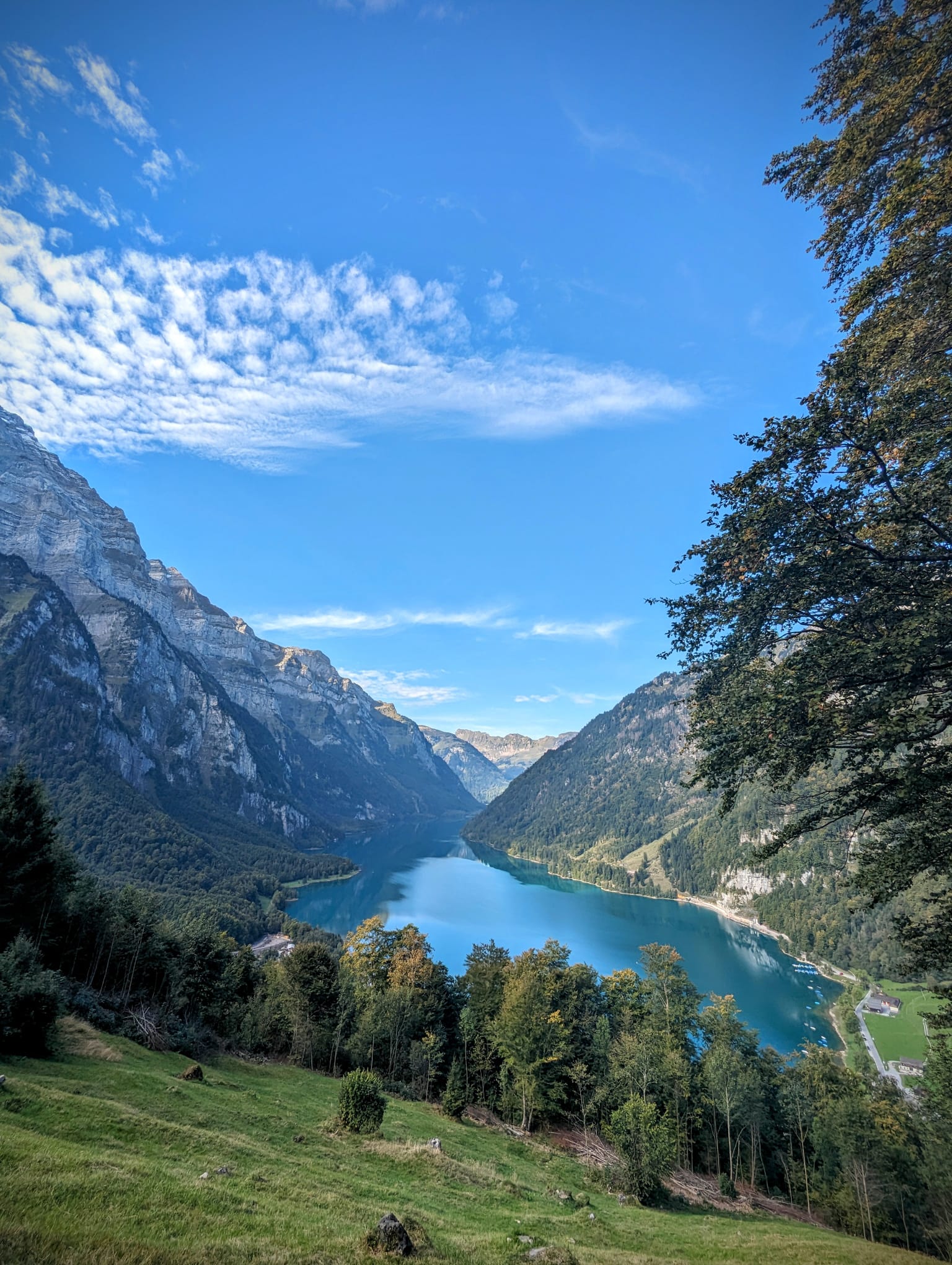
Take a quick break at Restaurant Schwammhöhe to enjoy the iconic view over Klöntalersee. From there, a brief cobblestone descent leads you to the lakeside road, offering stunning views of the imposing Glärnisch (2,915m), a landmark peak of the Glarus Alps visible from afar.
Up to Pragelpass
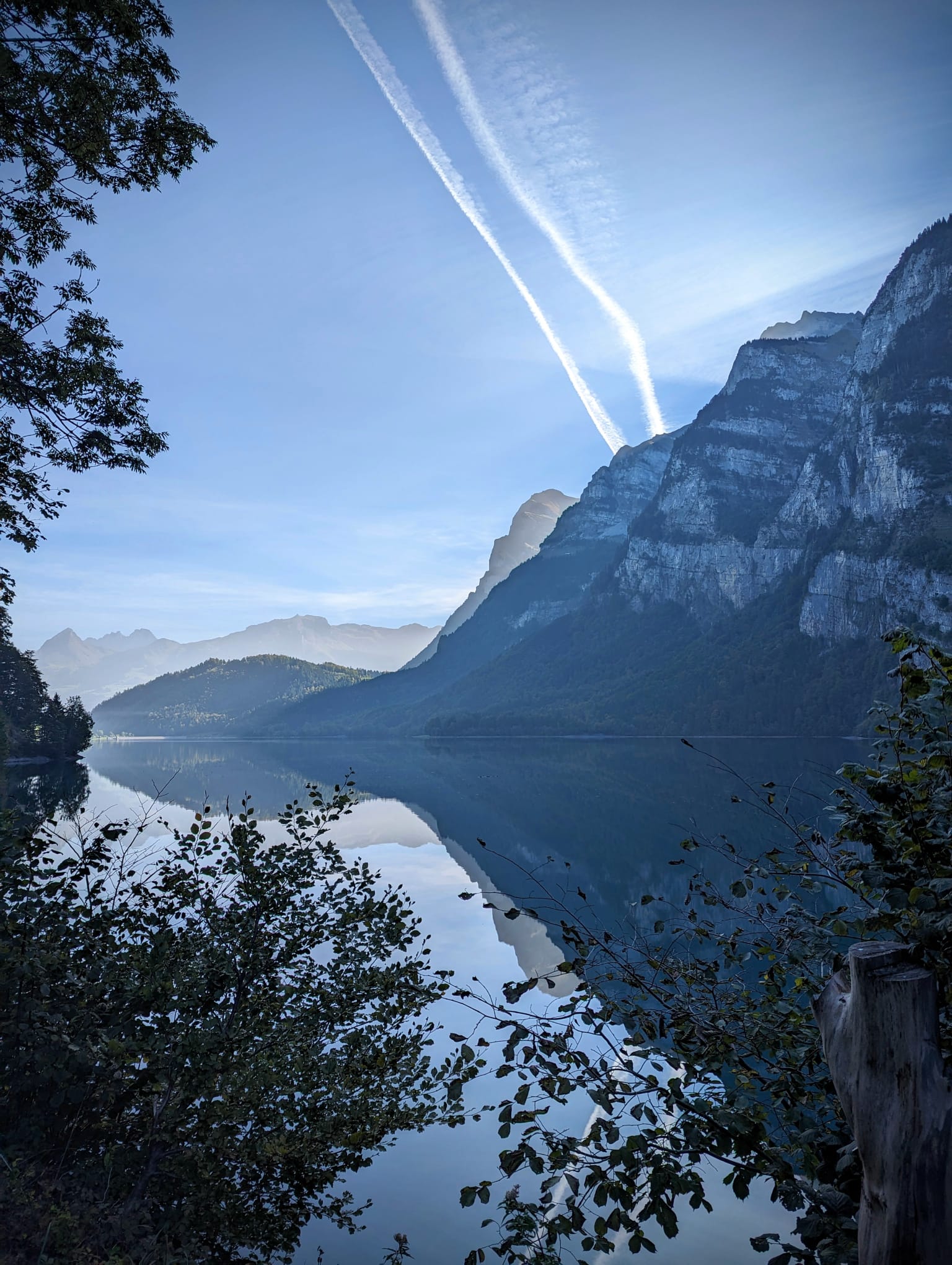
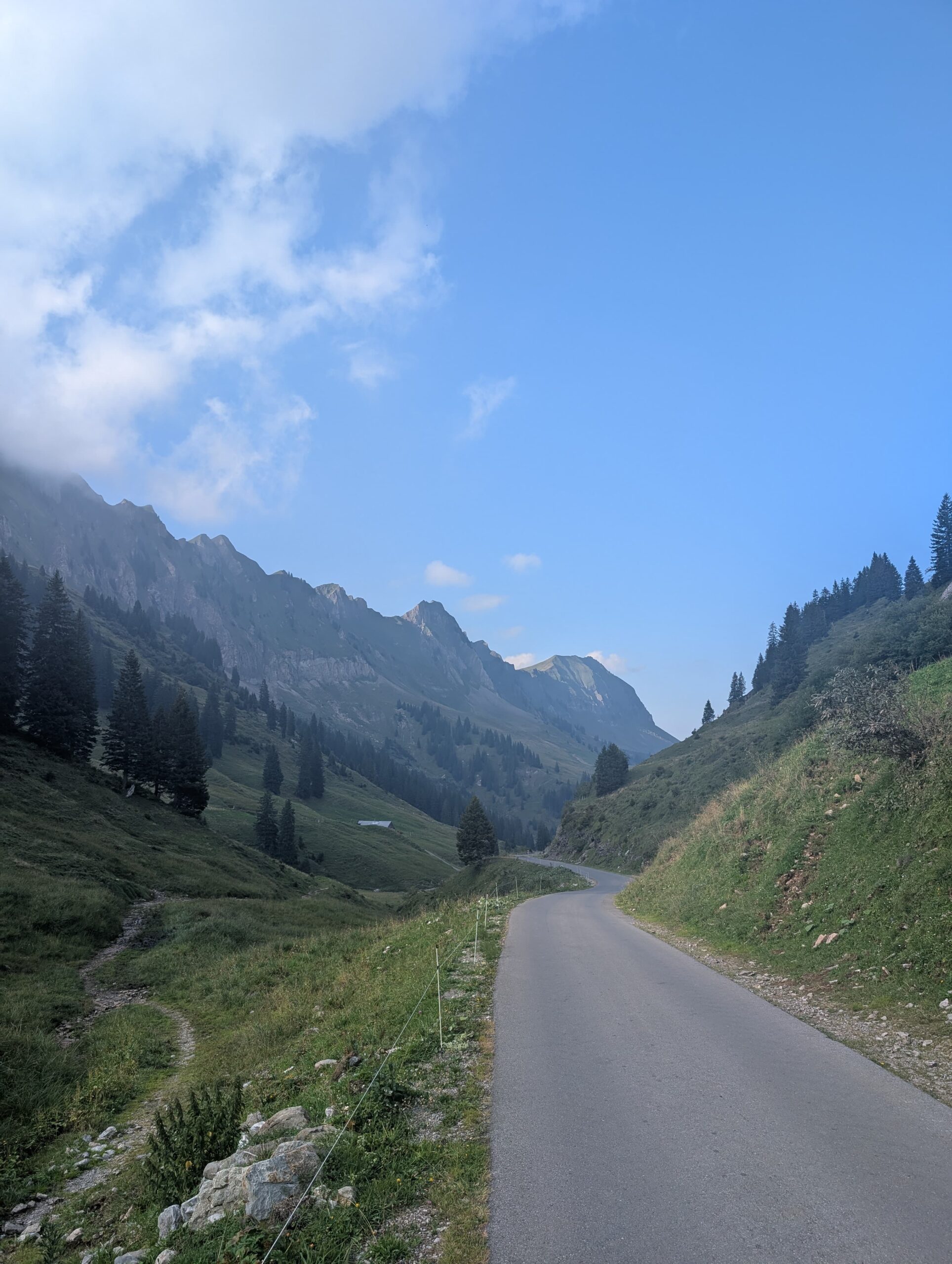
Not far into the ride, the route traces the shores of the scenic Klöntalersee before tackling the second major challenge: another 760 meters of climbing over roughly 10 kilometers. Approaching from Glarus, the Pragelpass is highly rewarding, especially with the flat stretch along the lake offering a perfect mid-climb recovery. I highly prefer this side; the ascent from Muotathal is notoriously steep and best avoided. The road itself is quite narrow for an alpine pass, but thanks to the weekend motorized traffic ban, it offers a much quieter and more cyclist-friendly environment than most other major passes.
Climbing Kinzigpass via Muotathal
Just before reaching the first summit, you have the option to branch off to the right onto a gravel path. The first option for taking out the gravel bike. If you are running a bit short on time, it might be wiser to stick to the paved road for the descent. And yes, the Pragelpass features two distinct high points, so don’t let that confuse you! While the asphalt section allows for a very fast descent into the valley, do stay alert—the roads are narrow and you may encounter oncoming traffic. Personally, I find these kinds of technical descents incredibly fun.
Once you arrive down in Stalden, the route continues toward Muotathal. I highly recommend refilling your bidons right as you enter the village. Additionally, the restaurant at the intersection, just before the gradient ramps up toward the Kinzigpass, is practically your last chance to grab food before the long climb. There is only one other restaurant halfway up the ascent to the Kinzigpass.
Kinzigpass: Ready for this?
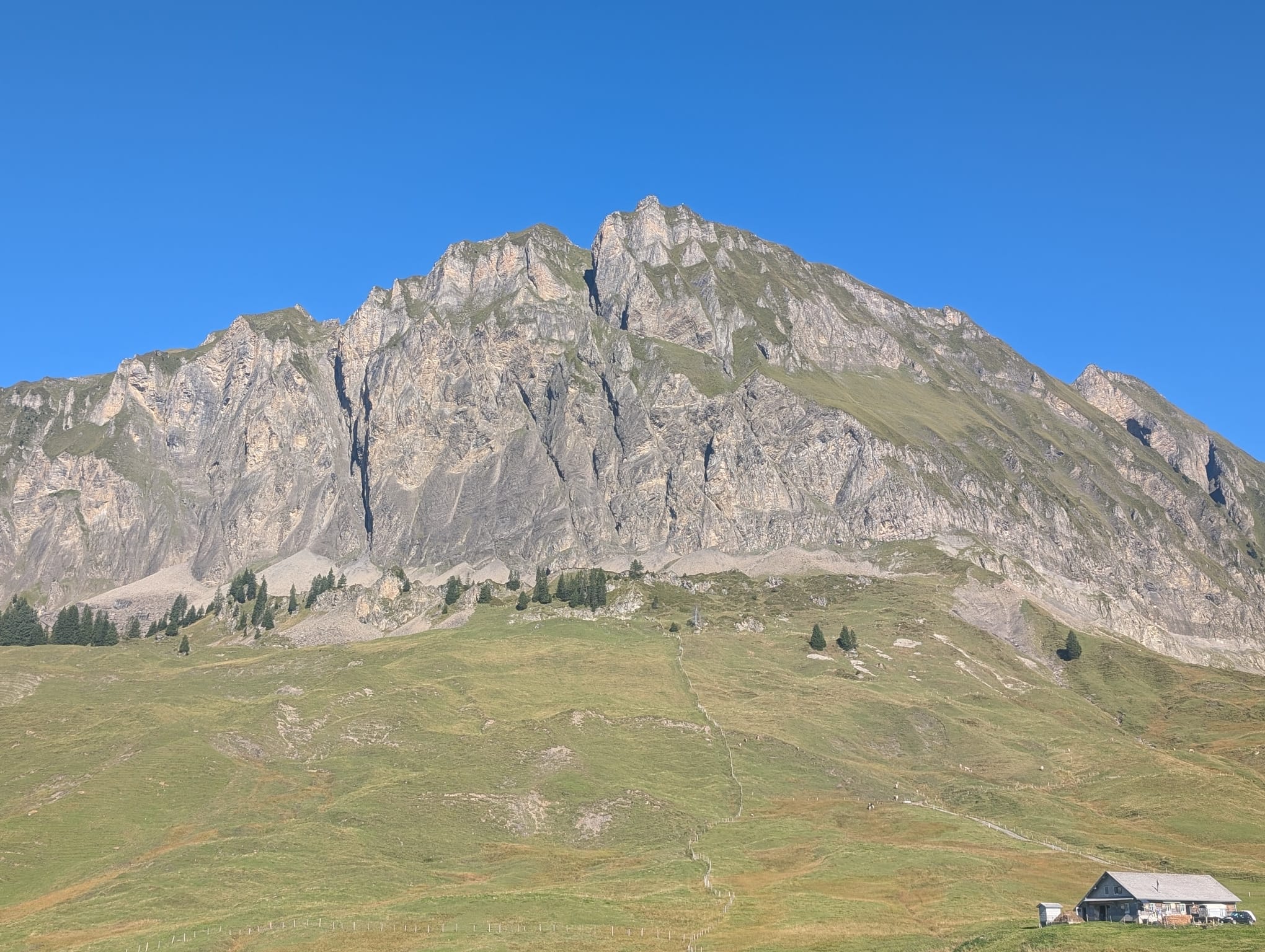
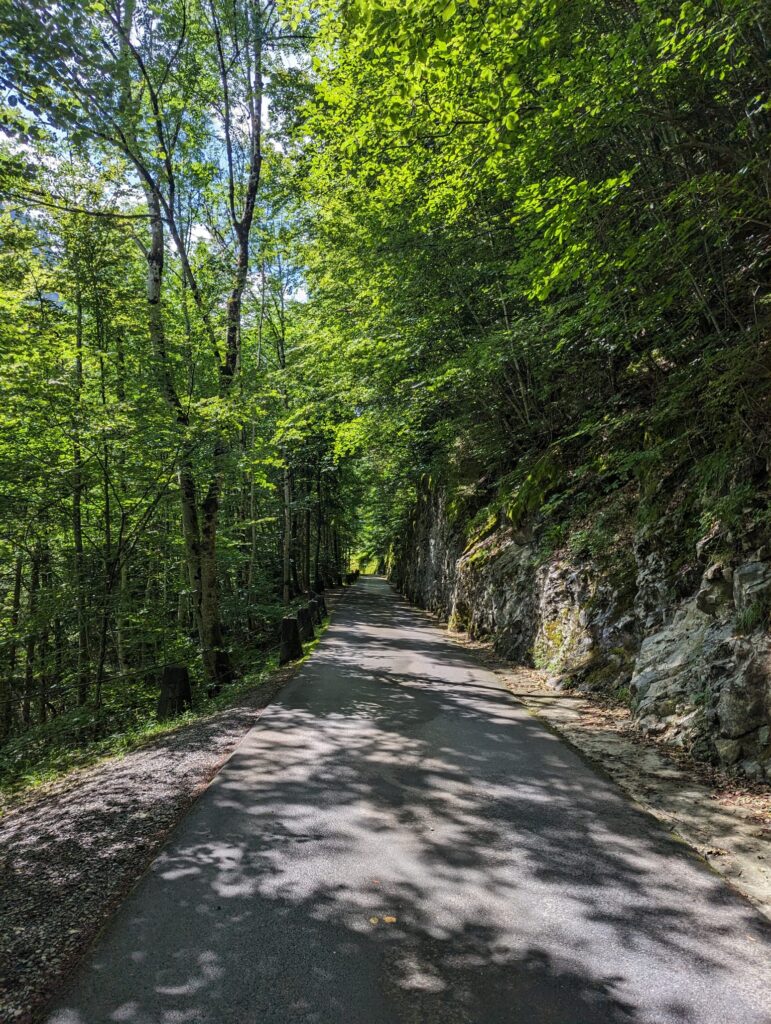
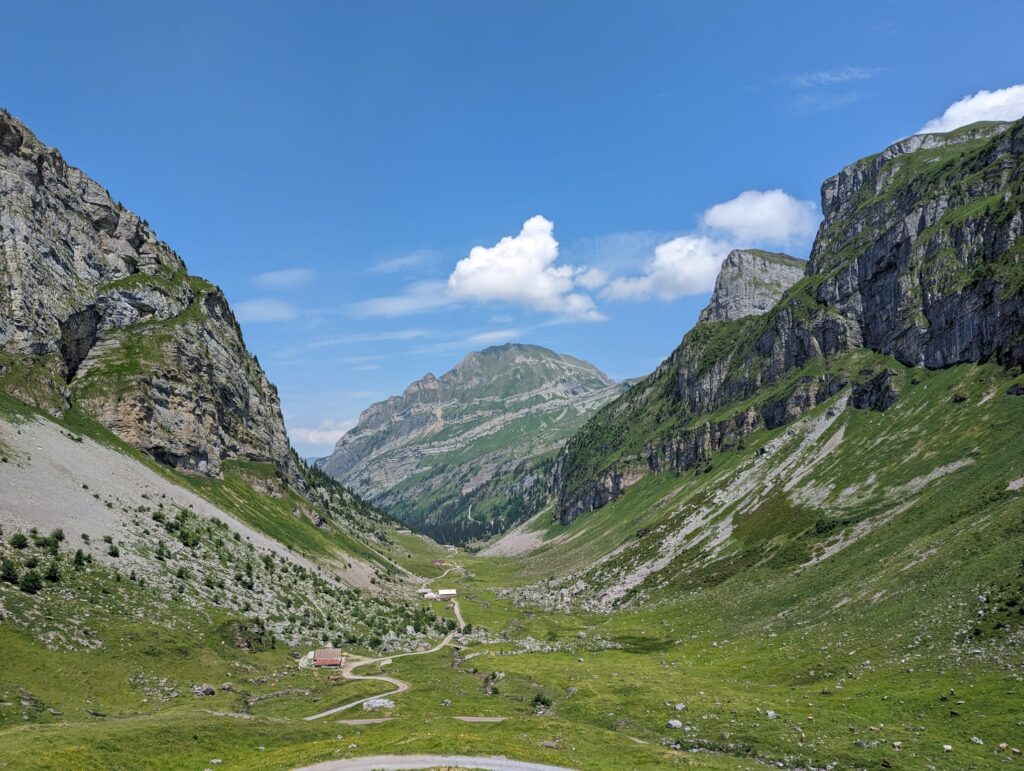
Off we go toward the Kinzigpass, locally known in Swiss German as Chinzig Chulm. The ascent starts immediately after Muotathal: a steady 16km grind with nearly 1,500m of climbing. Do not underestimate this one! It begins on tarmac before transitioning into silky-smooth, fine gravel for the second half. The surface only gets chunkier during the final stretch, where you’ll also hit steep ramps of up to 20%. A gravel bike is the perfect tool for the job, but opting for 45–50mm tires will give you a much better experience than running narrow rubber.
With barely any houses and almost no people around, this climb is incredibly isolated. You’ll occasionally pass a few e-bikers, as very few riders tackle this without electronic help. Time stands still here. It’s just a long valley, raw nature, and a rewardingly spectacular view. Still, it’s my absolute favorite loop for cycling. There is next to no traffic out here.
Enjoy the solitude!
Geissgrätli, the highest Point
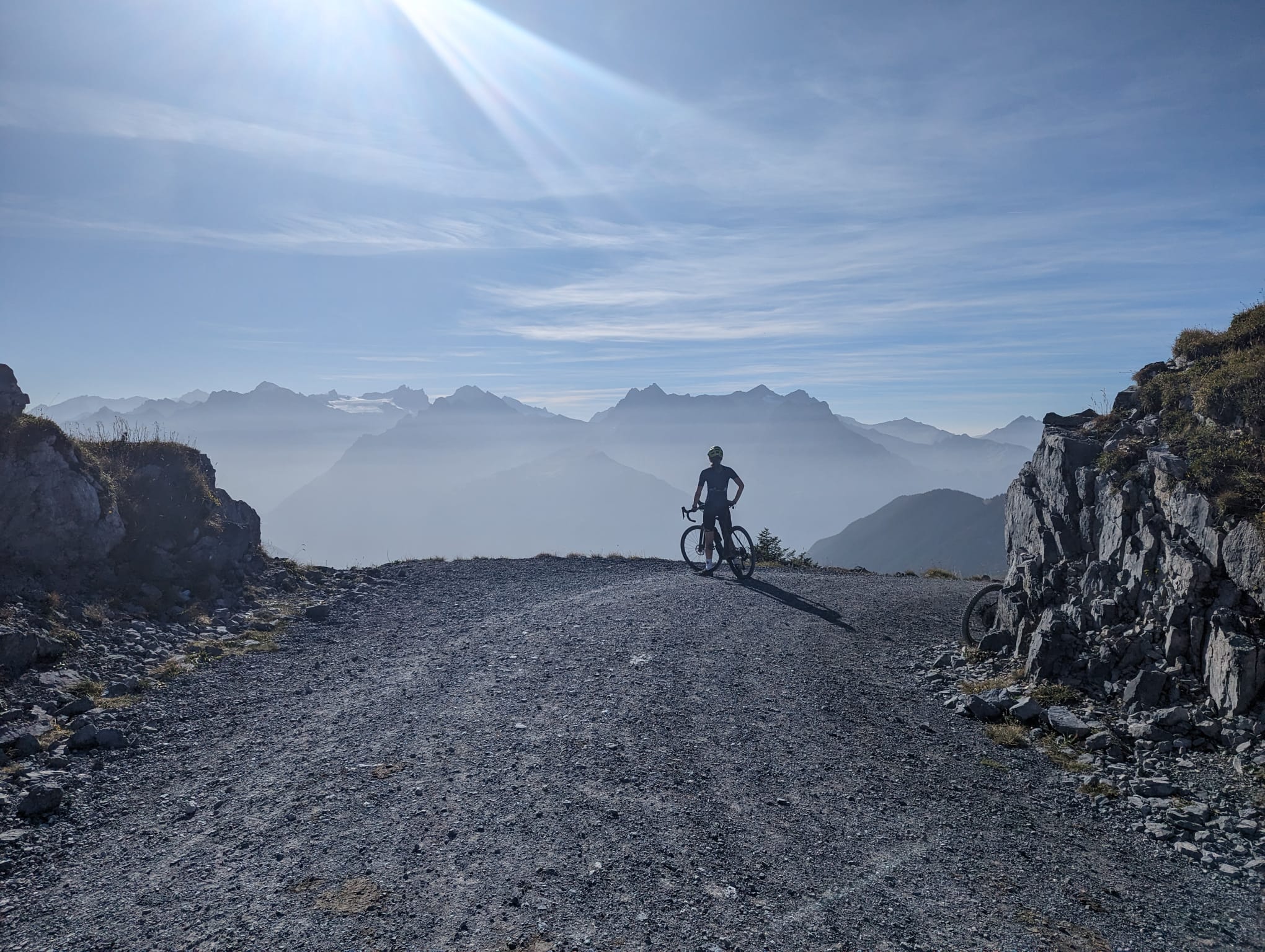
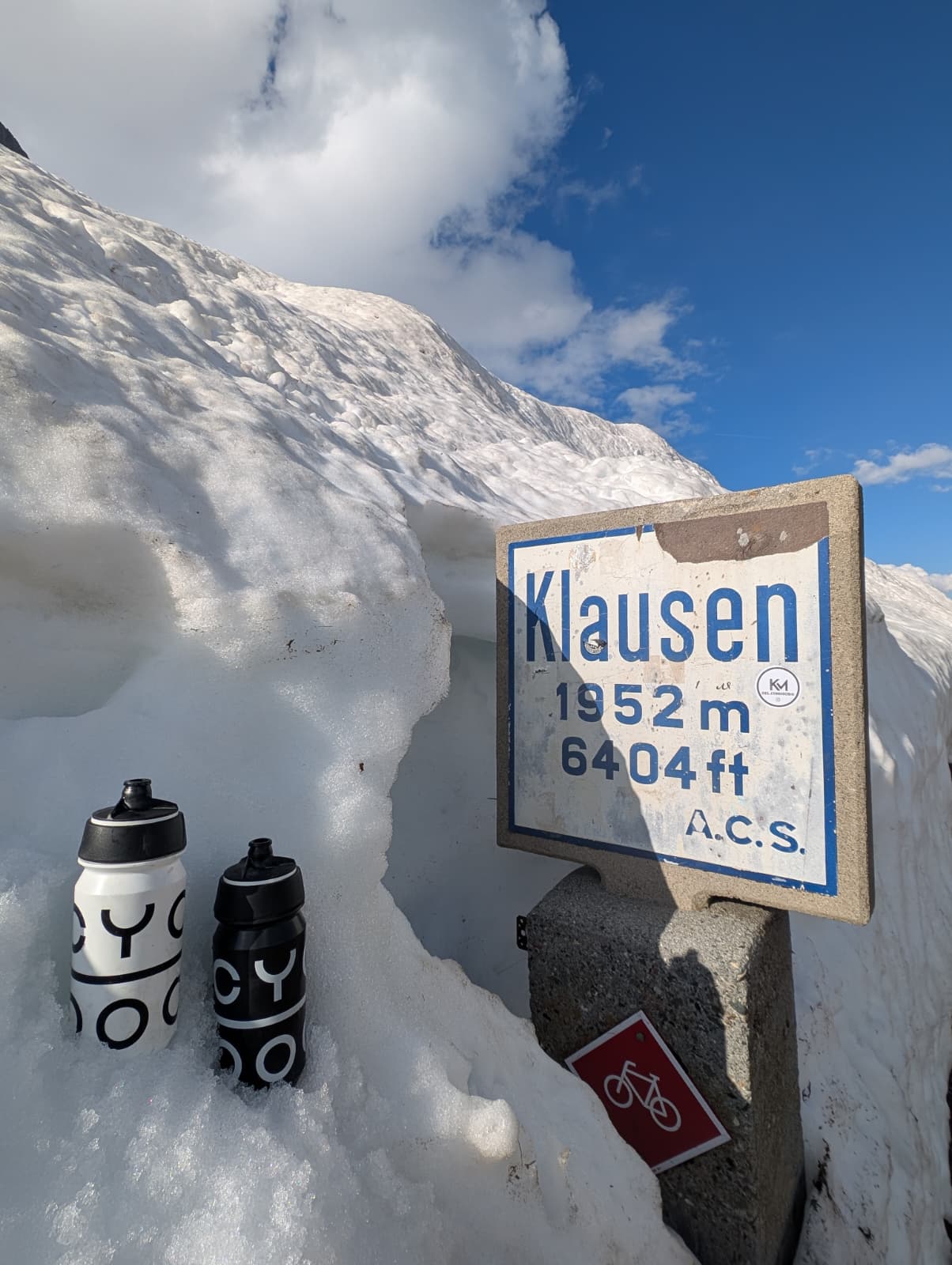
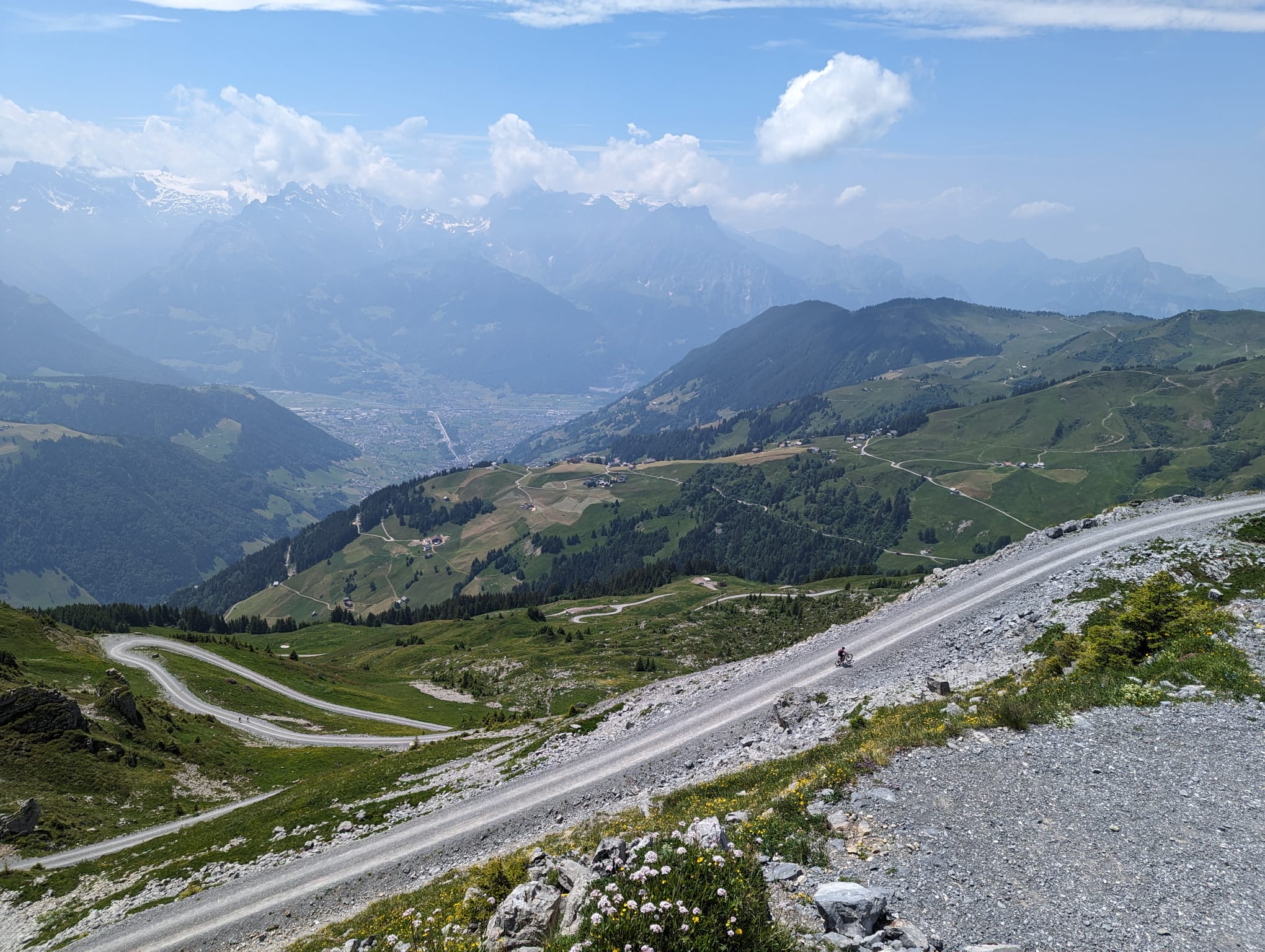
Strictly speaking, the final stretch doesn’t follow the actual Kinzigpass, which is just a narrow singletrack. Instead, it detours via Geissgrätli. Just stick to the road and you can’t miss it. At the top, you’re rewarded with views from Chinzertal to Schächental and all the way to Altdorf. The gravel descent is a blast: it’s super steep, was finished back in 2013, and the tight switchbacks are a personal favorite of mine. The road quickly turns to tarmac, leading you through a few more steep sections down to Urigen (above Unterschächen). Here, you hit the Klausenpass road. It’s a straightforward 700m climb, about an hour’s grind, along the pass road to the summit. If you still haven’t had your gravel fix, look out for a short off-road sector near Balm, right by the Hotel Klausenpass.
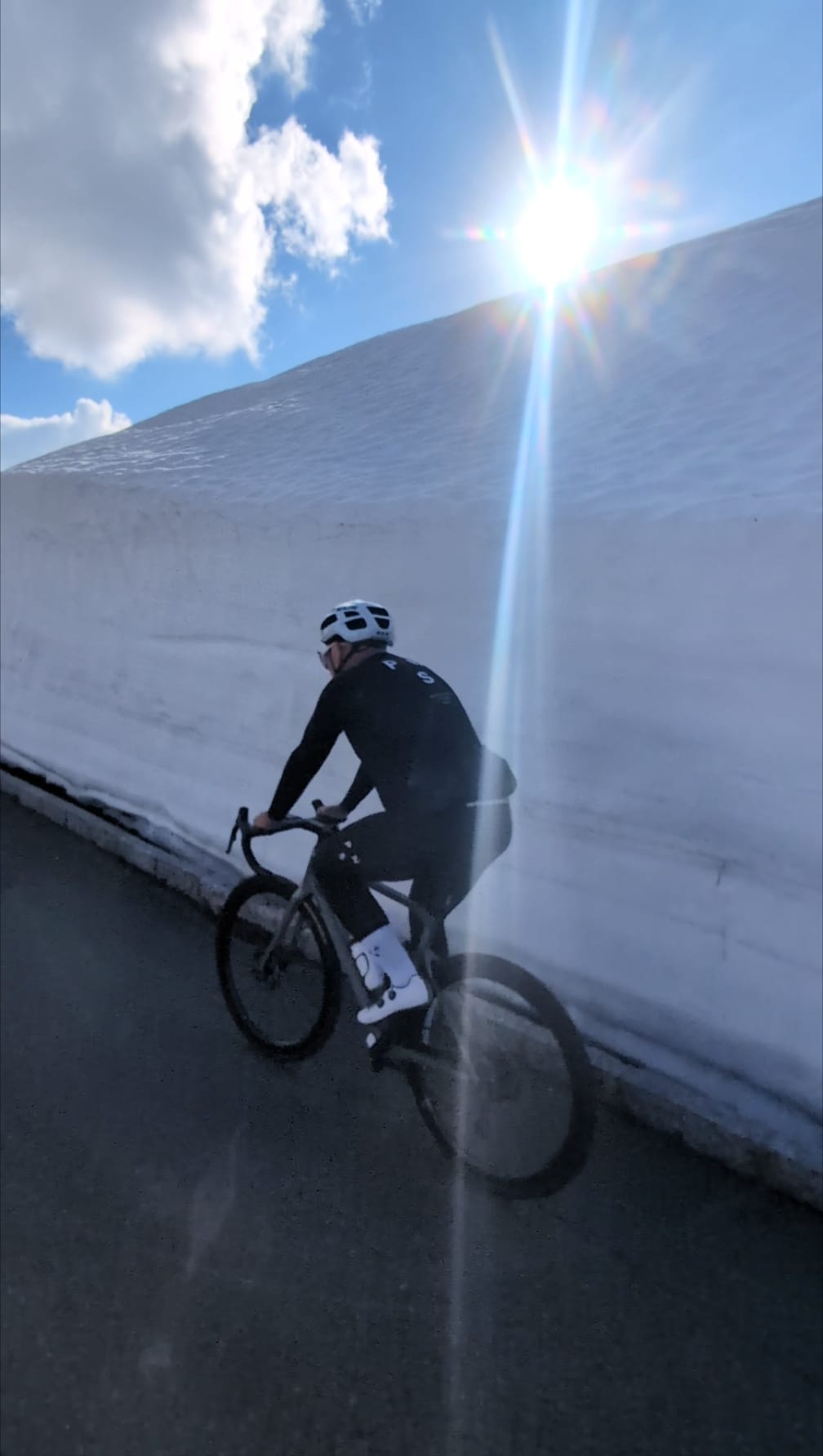
Descending through Urnerboden
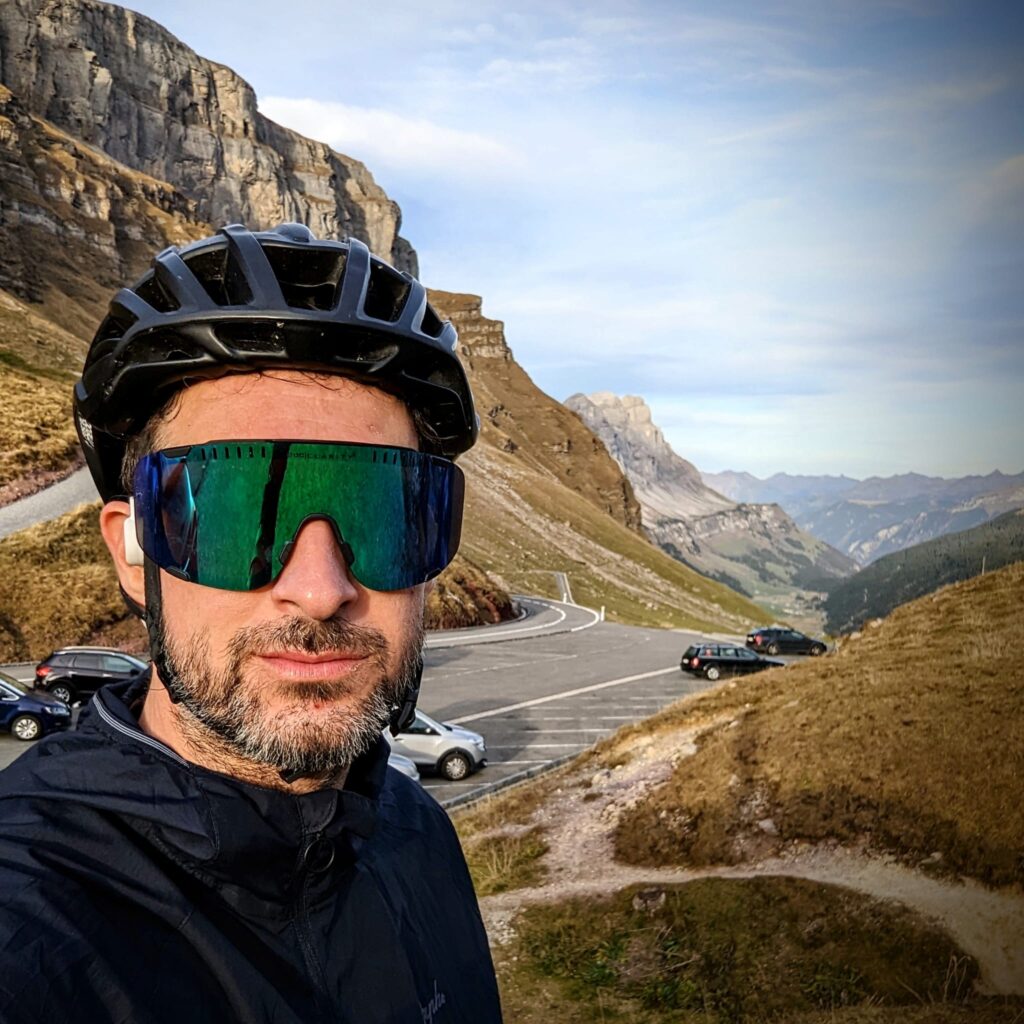
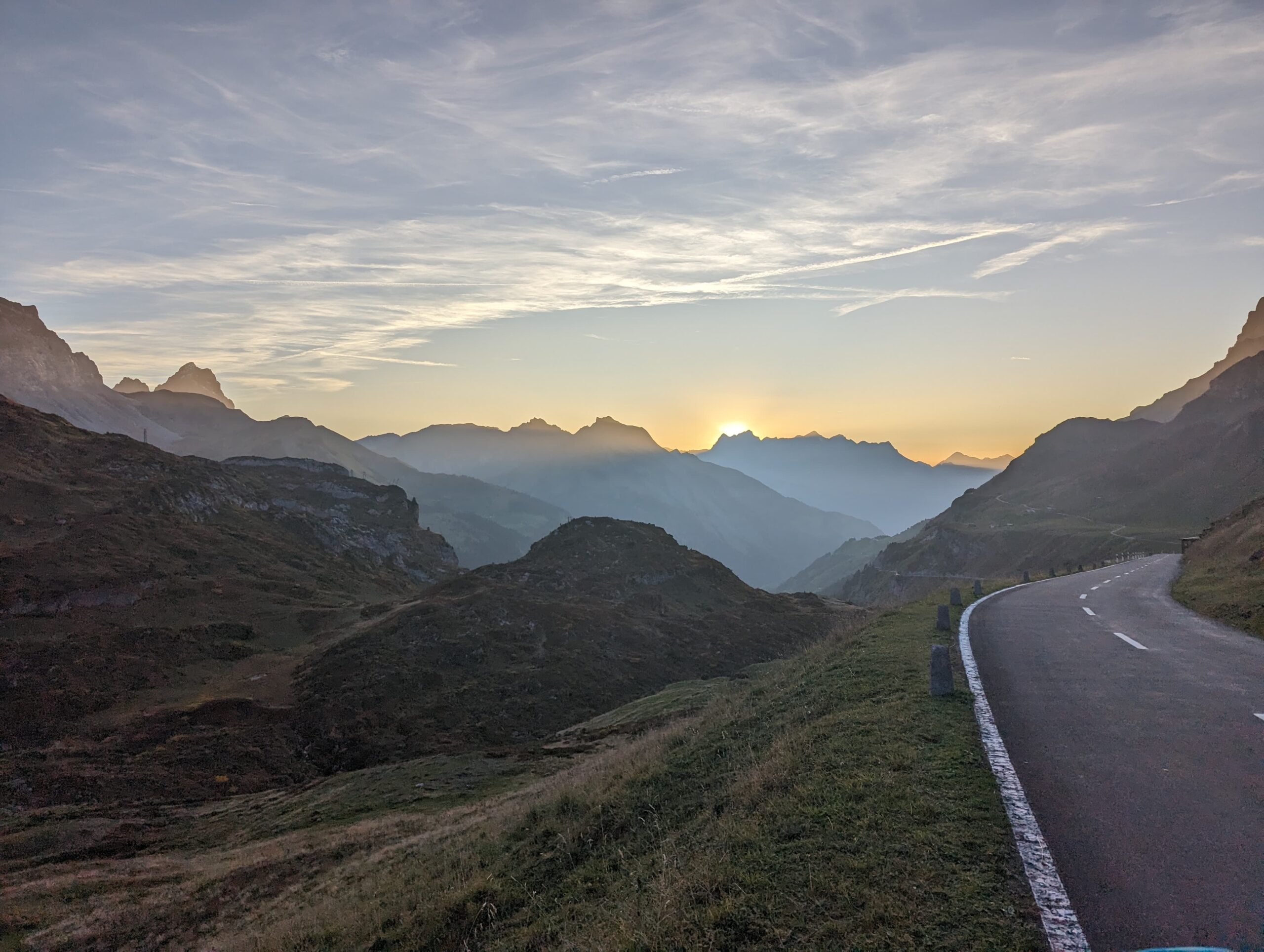
After spending the entire day in the saddle, evening will be closing in. A final bit of fuel at the Hotel Klausenpass or at the restaurant right at the summit is recommended—once the sun goes down or if bad weather rolls in, it can get cold here fast. Take your time to truly enjoy the stepped descent. The switchbacks cut into the opposing rock faces lead you down to a high plateau called the Urnerboden. Here, the road slopes gently, allowing for a beautifully relaxed cruise before the gradient drops more steeply again. Take care in the tunnel: there is a tight bend that catches my attention every single time. After that, a final set of switchbacks leads you all the way down to Linthal.
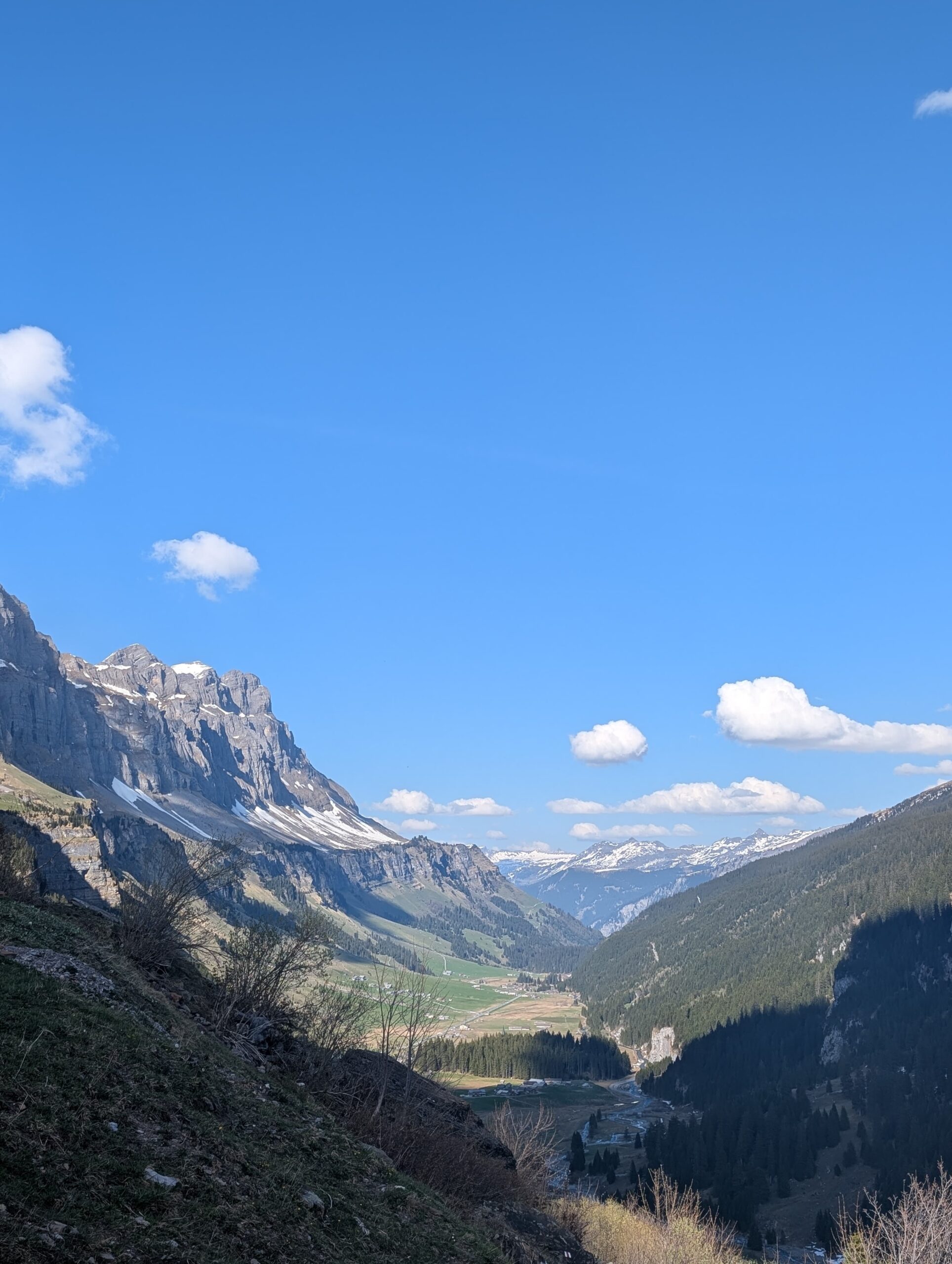
Straight into the Ziegerschlitz.
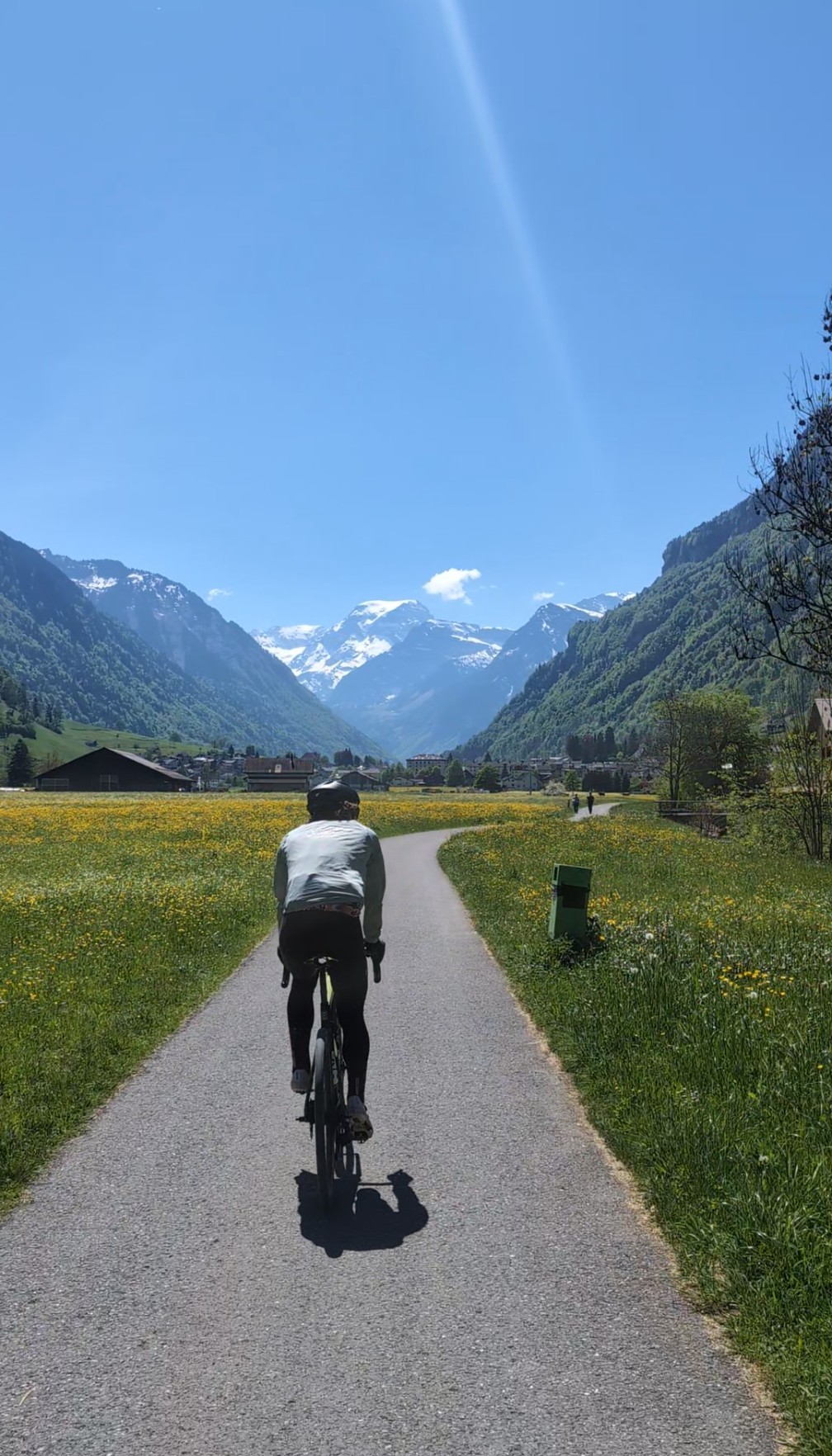
Back in civilization, I highly recommend switching to the local cycle path. It mostly follows the river or cuts through meadows, offering a flatter, much more enjoyable alternative to the road. The surface is a mix of tarmac and fine dirt—perfectly ridable on a road bike—so you can power through the final stretch without losing momentum. As daylight fades, the end of the journey is right before your eyes.